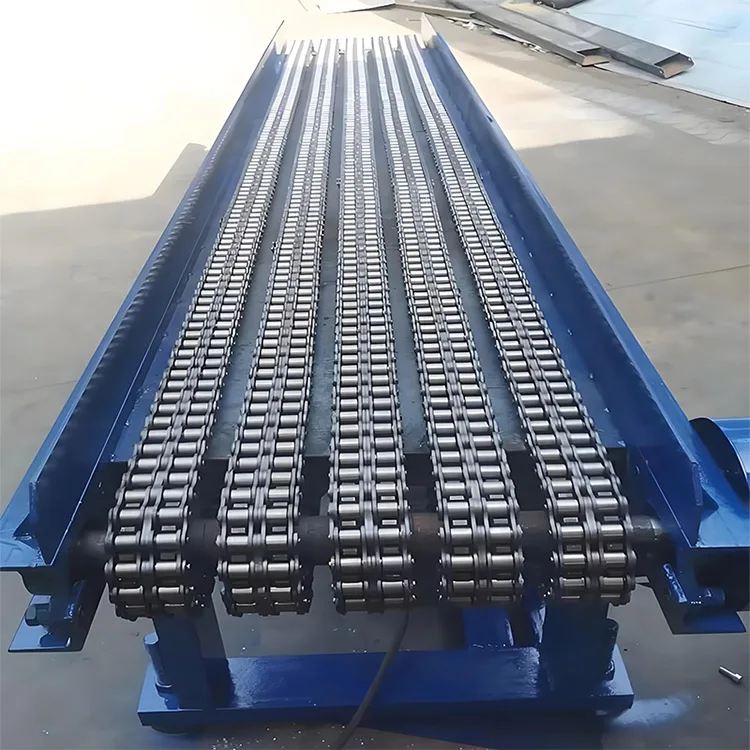
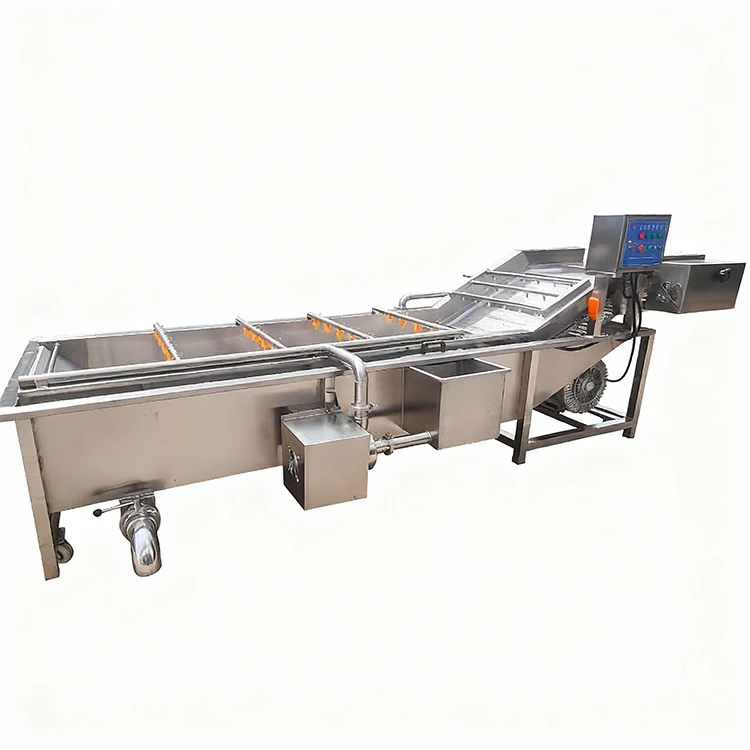
To further strengthen production management, improve workplace organization, and support consistent product quality, our company has recently completed a three-month intensive implementation of 6S workplace management across our manufacturing facility.
The 6S system—Sort, Set in Order, Shine, Standardize, Sustain, and Safety—is widely used in manufacturing to create a cleaner, more efficient, and better-controlled production environment. For us, however, this initiative is not simply about keeping the factory clean. It is part of a broader effort to improve production discipline, equipment management, material flow, quality control, workplace safety, and operational consistency.
From the beginning of the project, teams from production, warehousing, quality inspection, and administration worked together to review existing practices and identify areas for improvement. Clear standards were introduced for different production zones, with the objective of making daily operations more organized, efficient, and easier to manage.
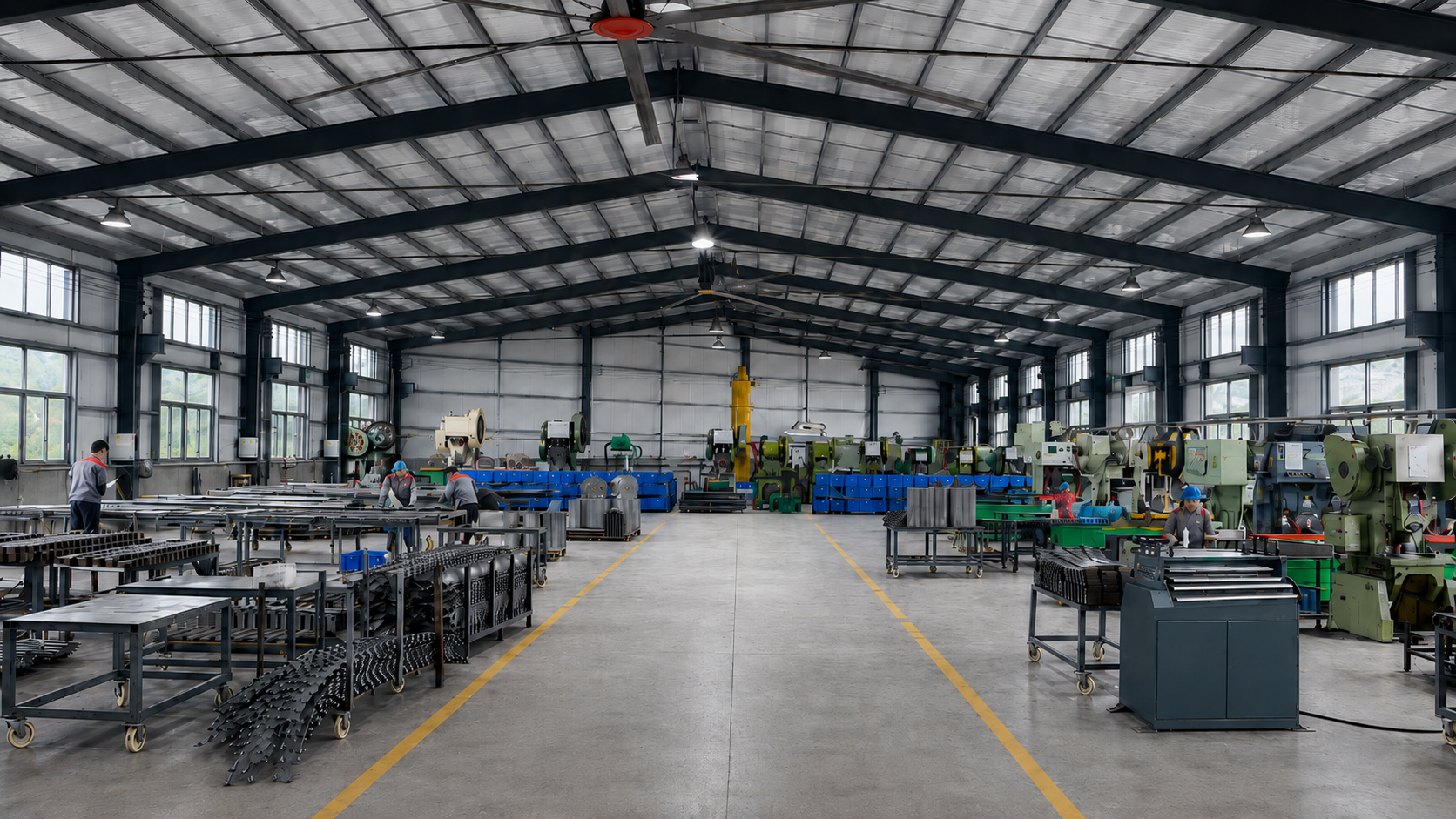
Improving Workplace Organization and Material Flow
One of the main areas of improvement was material and tool management.
Production materials, tools, semi-finished components, and designated work areas were reorganized according to clearly defined locations. Storage zones and working areas were identified more systematically, helping operators locate the materials and tools they need more quickly.
This seemingly simple improvement has an important impact on daily production. By reducing unnecessary searching, movement, and repeated handling, operators can focus more efficiently on machining, inspection, and other value-added activities.
At the same time, production workshops, storage areas, equipment surroundings, and commonly overlooked areas were thoroughly cleaned and reorganized.
More importantly, cleaning was not treated as a one-time activity. Regular inspection and housekeeping requirements were introduced so that workplace cleanliness can be maintained as part of normal daily operations.
Strengthening Equipment Maintenance and Standard Operating Procedures
Equipment condition has a direct influence on machining stability, production efficiency, and product consistency.
As part of the 6S program, we further standardized equipment inspection, cleaning, and preventive maintenance procedures. Clearer inspection requirements and maintenance records were introduced to help operators identify abnormalities earlier and reduce the possibility of unexpected equipment issues affecting production.
Operating procedures were also reviewed and standardized across different production activities.
Employee workwear, equipment operation requirements, material handling practices, and workplace responsibilities were further clarified. These improvements have gradually been incorporated into our Standard Operating Procedures (SOPs), creating a more structured production management system.
The objective is straightforward: every important production activity should have a clear standard, and that standard should be easy for employees to understand and consistently follow.
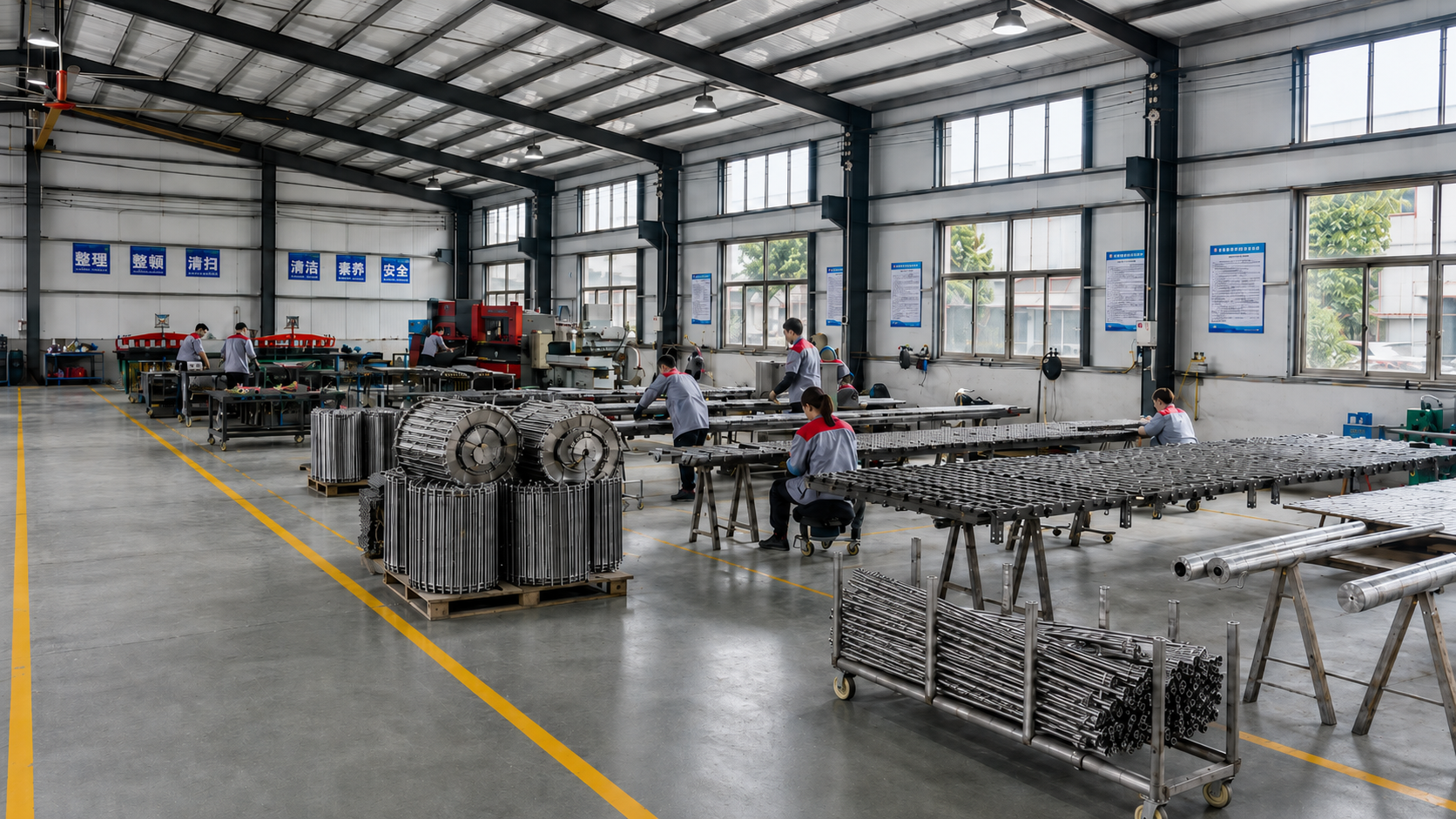
Creating a Safer and More Controlled Manufacturing Environment
Safety is an essential part of 6S management.
During the project, our teams carried out a comprehensive review of production areas to identify potential safety risks related to equipment operation, material storage, workplace access, and daily working practices.
Necessary improvements were made to reduce these risks, while employees received clearer guidance on safe and standardized operating practices.
A well-organized factory is not only more visually professional; it also helps reduce unnecessary movement, improper material placement, operational mistakes, and potential safety hazards.
By creating clearer working areas and more standardized processes, the production environment becomes easier to manage and more predictable for both operators and supervisors.
Supporting Consistent Quality and Production Efficiency
After three months of continuous improvement, noticeable changes can be seen across the factory.
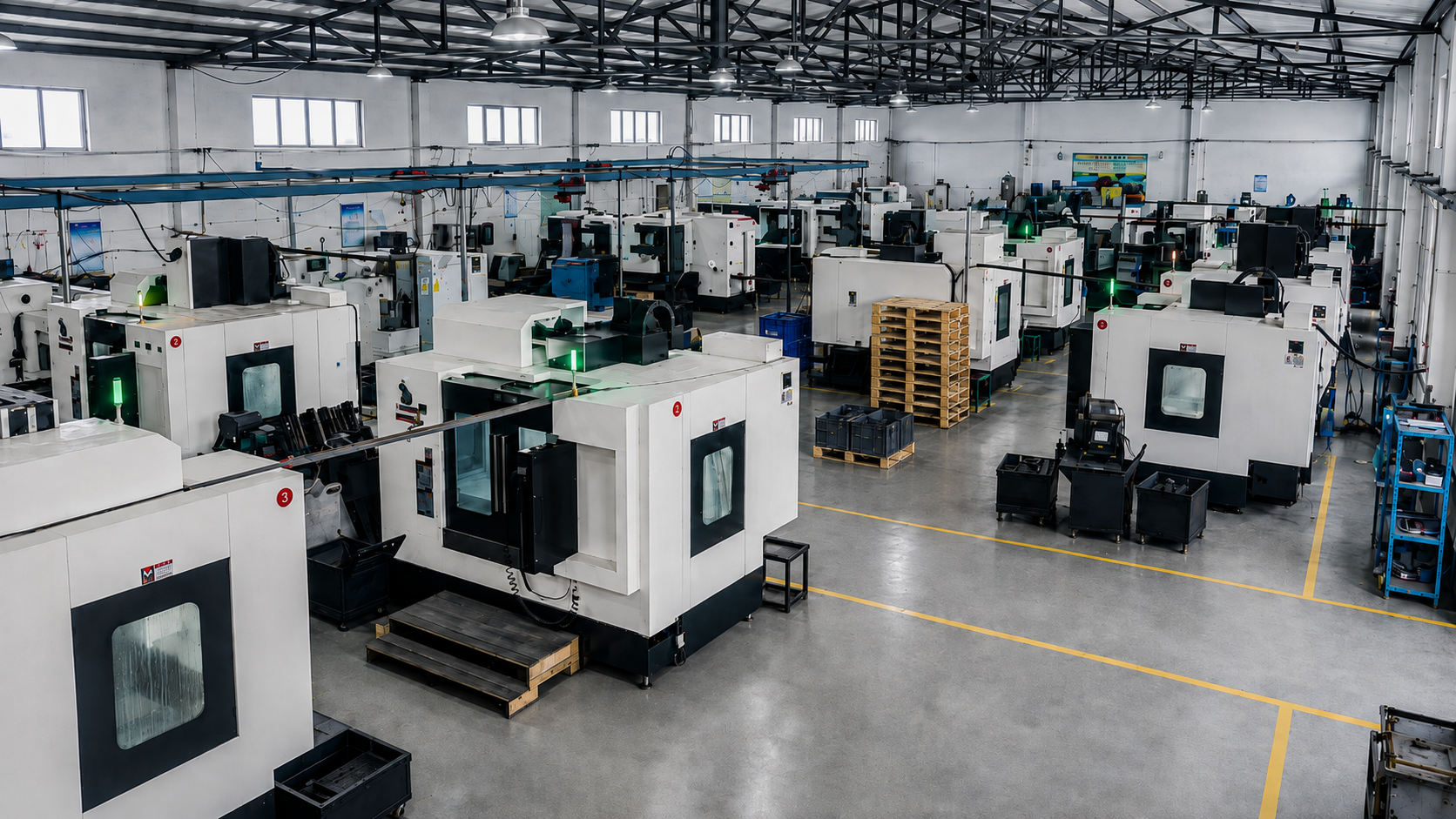
Production areas are cleaner and better organized, material locations are easier to identify, equipment maintenance procedures are more clearly defined, and workflow between different production processes has become smoother.
These improvements help reduce wasted time caused by searching, unnecessary movement, and disorganized material handling. They also provide a stronger foundation for stable production and quality control.
For a manufacturing company, consistent product quality does not depend only on machining equipment or inspection instruments.
It also depends on how materials are managed, how machines are maintained, how operators follow procedures, and how consistently production standards are implemented every day.
This is one of the key reasons why we continue to invest in lean and standardized production management.
Giving Customers Greater Confidence in Our Manufacturing Capability
For international buyers, supplier evaluation increasingly goes beyond product specifications and pricing.
Customers also want to understand how a manufacturer manages production, controls quality, maintains equipment, ensures workplace safety, and supports reliable long-term supply.
During recent factory visits and customer inspections, our improved production environment and more standardized workflow received positive feedback from both domestic and overseas customers.
Clearly organized materials, clean production areas, structured equipment maintenance, and standardized operating procedures allow visitors to see more directly how our factory is managed.
For customers, this provides greater transparency and helps build confidence not only in individual products, but also in our overall manufacturing capability and ability to maintain stable quality over the long term.
Continuous Improvement, Not a One-Time Project
The completion of the initial three-month improvement period does not mean that our 6S program is finished.
6S management is designed to become part of everyday operations. The real value comes from maintaining standards, reviewing performance, identifying new improvement opportunities, and continuously refining production practices.
Going forward, we will continue to integrate 6S principles into our daily manufacturing management while further improving production processes, quality control procedures, equipment maintenance standards, and operational efficiency.
Through continuous improvement and more disciplined manufacturing management, we aim to provide global customers with consistent quality, reliable delivery, and a more transparent and professional manufacturing experience.
 Hot News
2025-01-20
2025-01-20
2025-01-20
2025-01-20
2025-01-20

Sunshine all products will make you absolutely satisfied, we always follow the customer first production concept, strive to open up domestic and foreign markets and are willing to establish long-term business cooperation with each customer. Welcome friends from all walks of life to come to guide, discuss cooperation!
 EN
EN