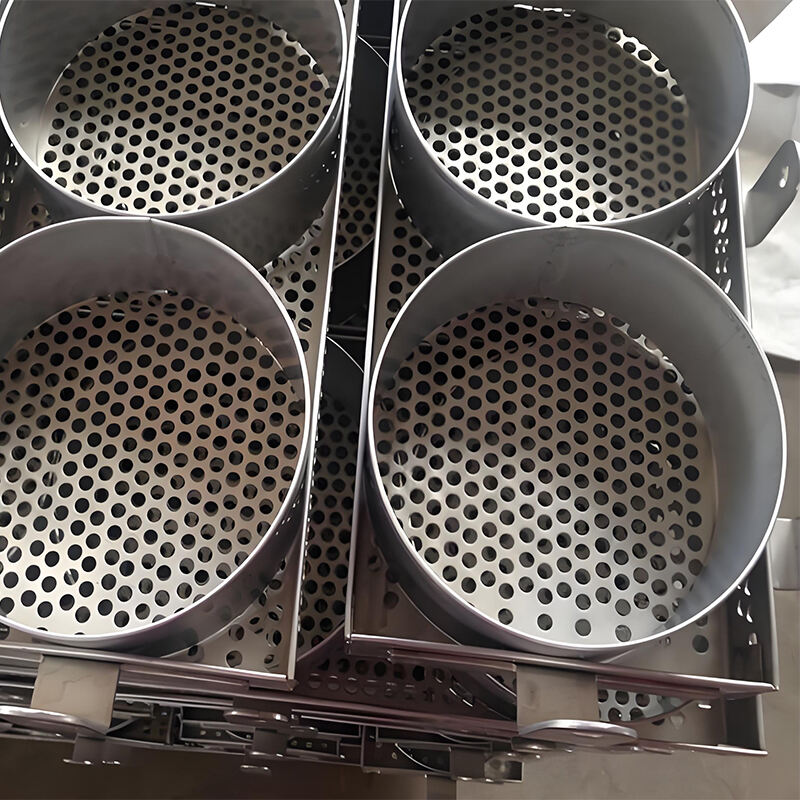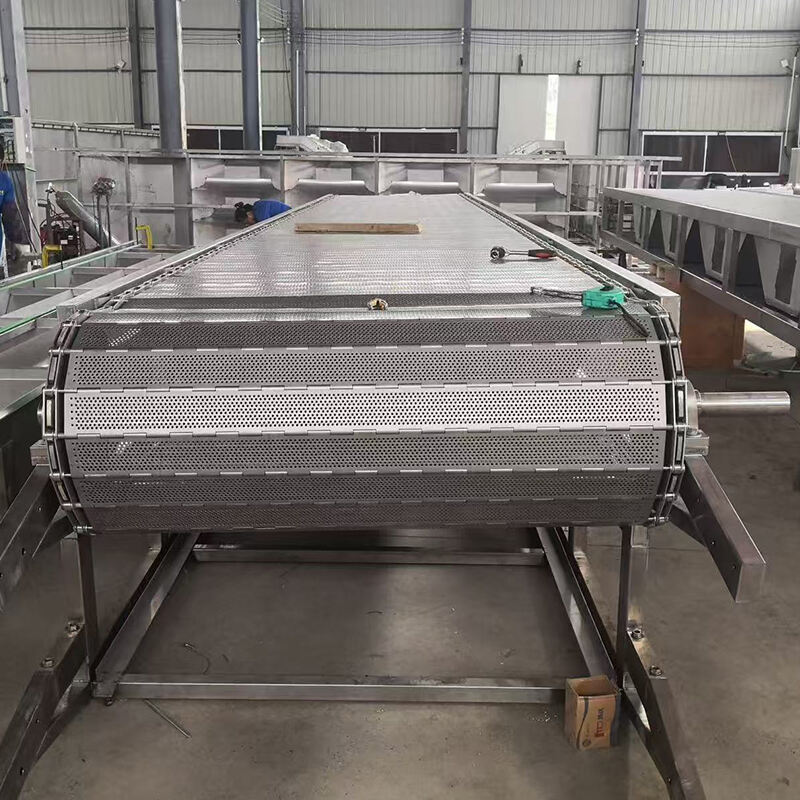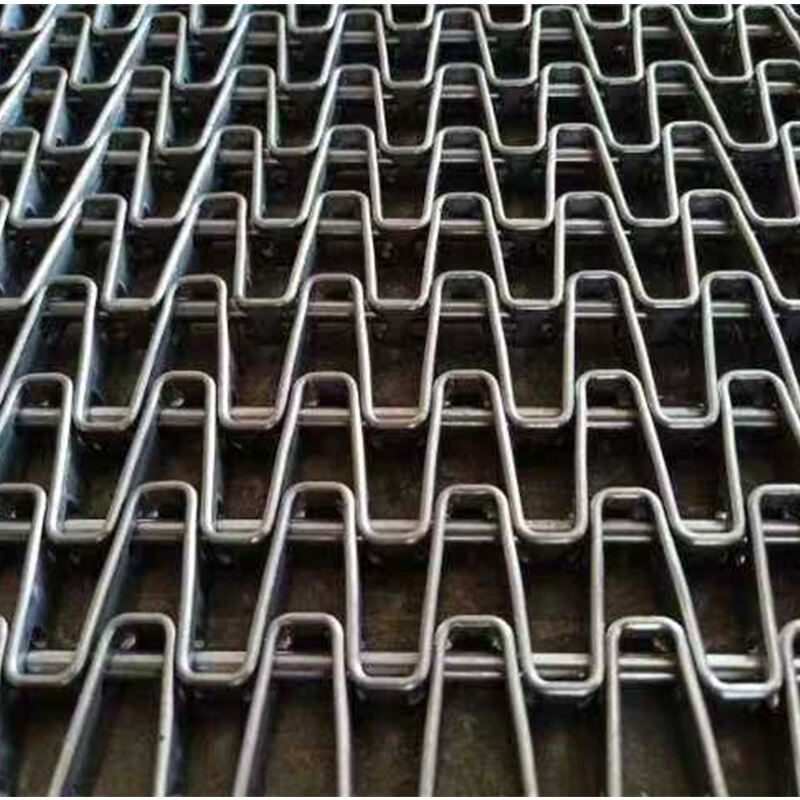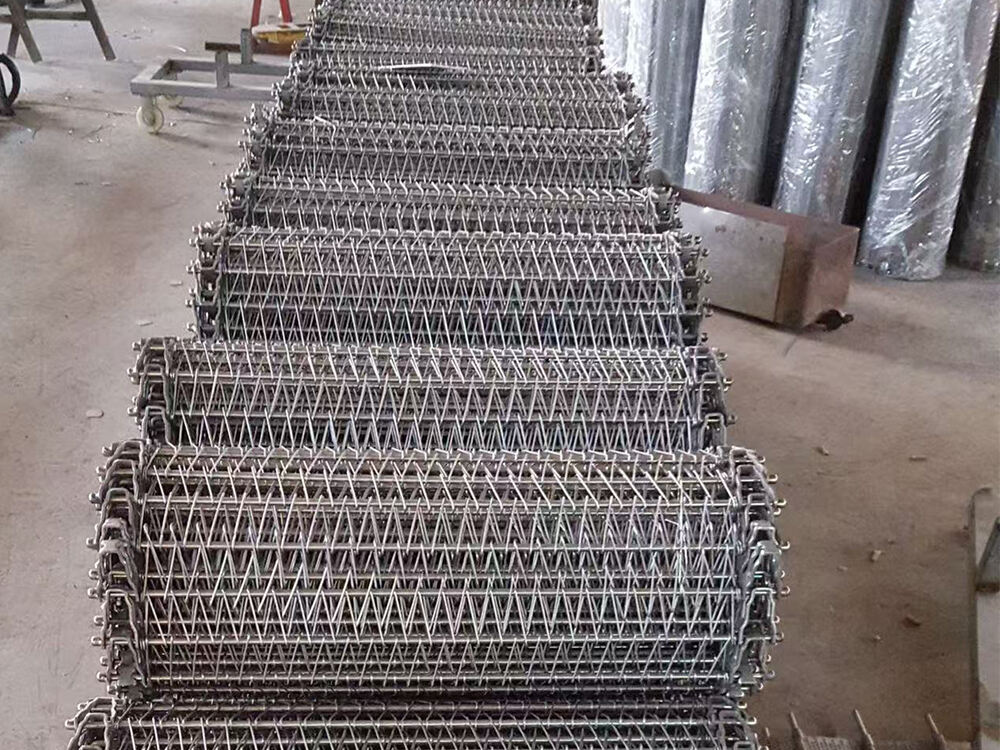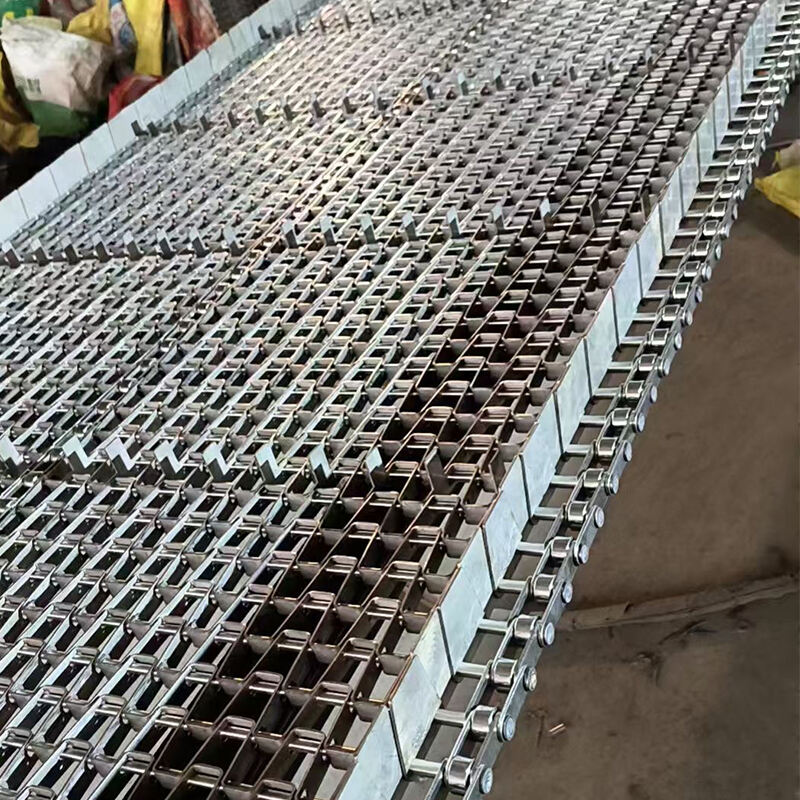
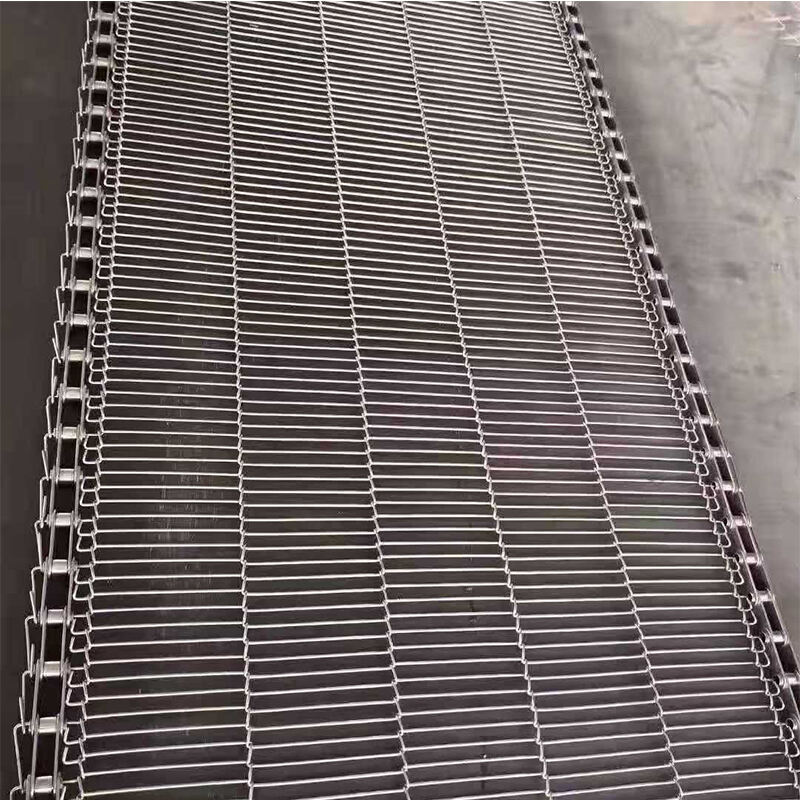
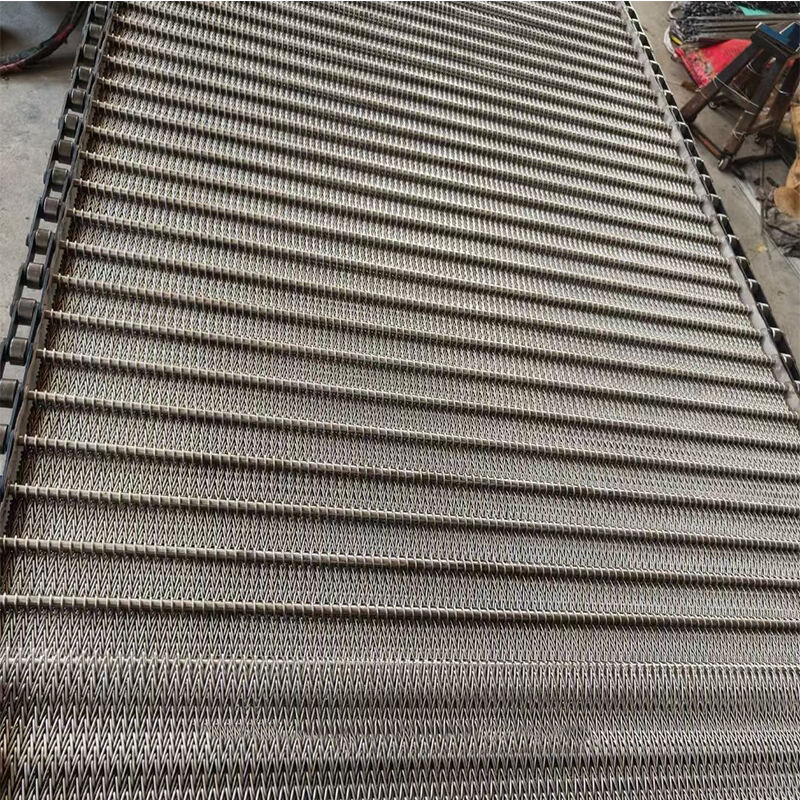
Operations in wet or humid environments, such as food washing, chemical processing, or outdoor applications, present a significant challenge due to the constant threat of corrosion. An anti-rust mesh belt is engineered to resist oxidation and chemical attack, thereby ensuring long service life and preventing contamination of the conveyed product. The primary defense against rust is the material selection. While standard stainless steel (AISI 304) offers good resistance, more aggressive environments—involving salt water, chlorides, acids, or alkalis—require superior alloys like AISI 316 stainless steel, which contains molybdenum for enhanced pitting resistance. In some cases, specialized alloys or plastic-coated metals are used. The belt's design also plays a role; a smooth, polished surface finish is more resistant to corrosion initiation than a rough one, as it leaves fewer sites for corrosive agents to attack. Applications include conveying seafood through washing and freezing tunnels, where saltwater exposure is constant; in vegetable processing lines with frequent sanitizer wash-downs; and in chemical plants where belts may be exposed to acidic vapors or spills. For example, in a fruit and vegetable hydro-cooler, an anti-rust belt made from 316 stainless steel withstands the continuous spray of chilled water, preserving its structural integrity and preventing rust stains from contaminating the produce. Regular maintenance and proper cleaning are still essential, but starting with a corrosion-resistant belt is the foundation for reliable operation. We provide mesh belts in various anti-rust materials suitable for different corrosive environments. To determine the most cost-effective and durable material for your specific wet application, please contact us with details about the chemicals and conditions involved.

Sunshine all products will make you absolutely satisfied, we always follow the customer first production concept, strive to open up domestic and foreign markets and are willing to establish long-term business cooperation with each customer. Welcome friends from all walks of life to come to guide, discuss cooperation!
 EN
EN