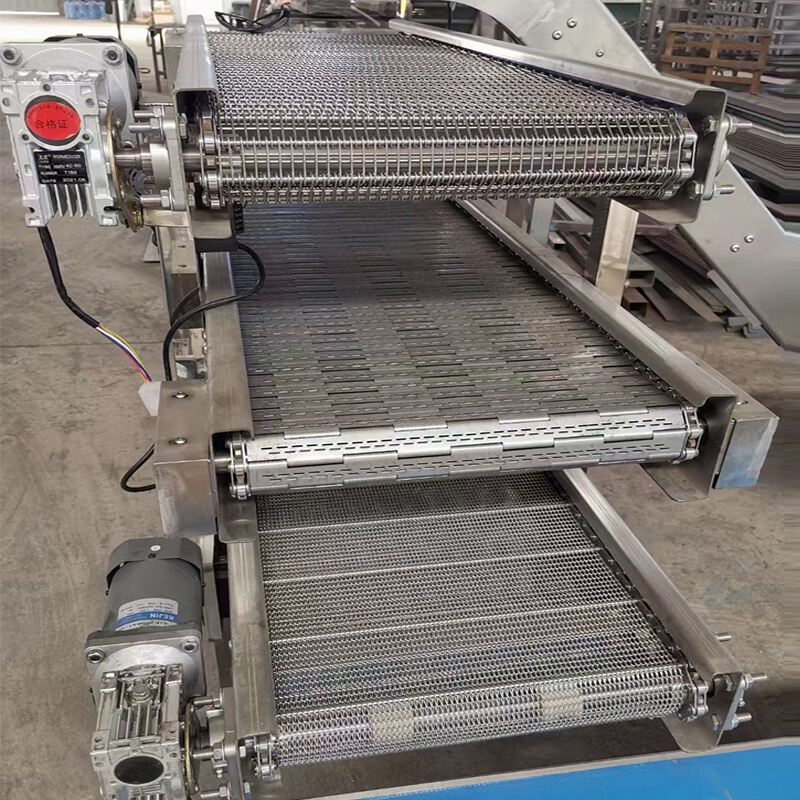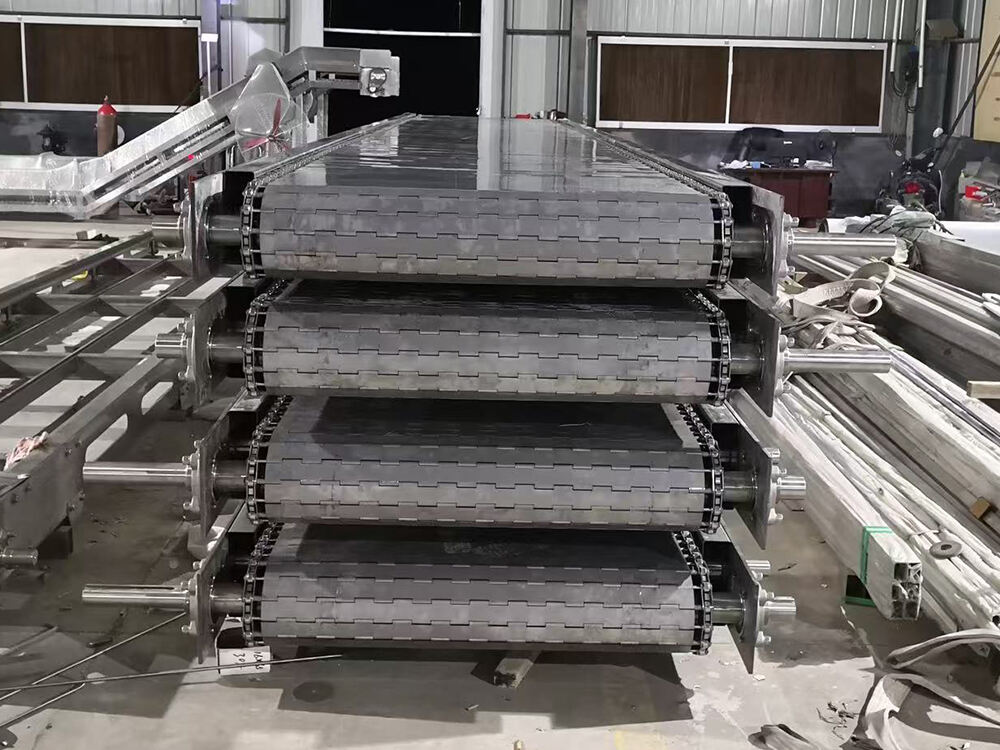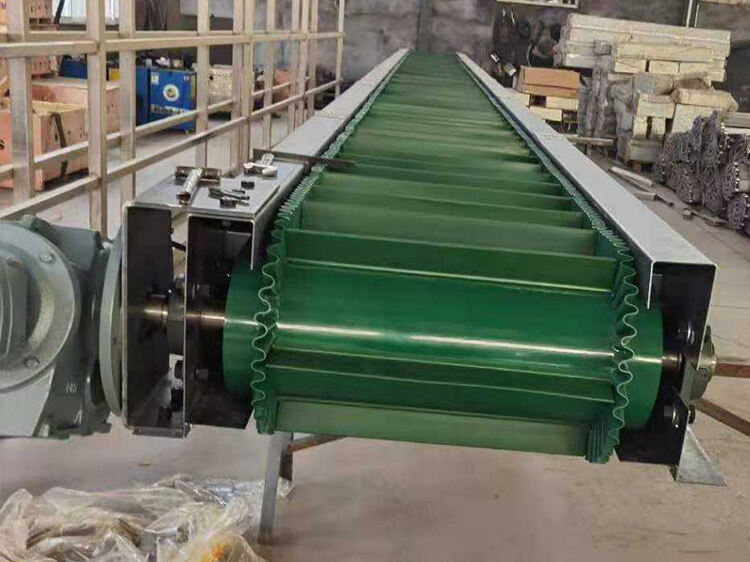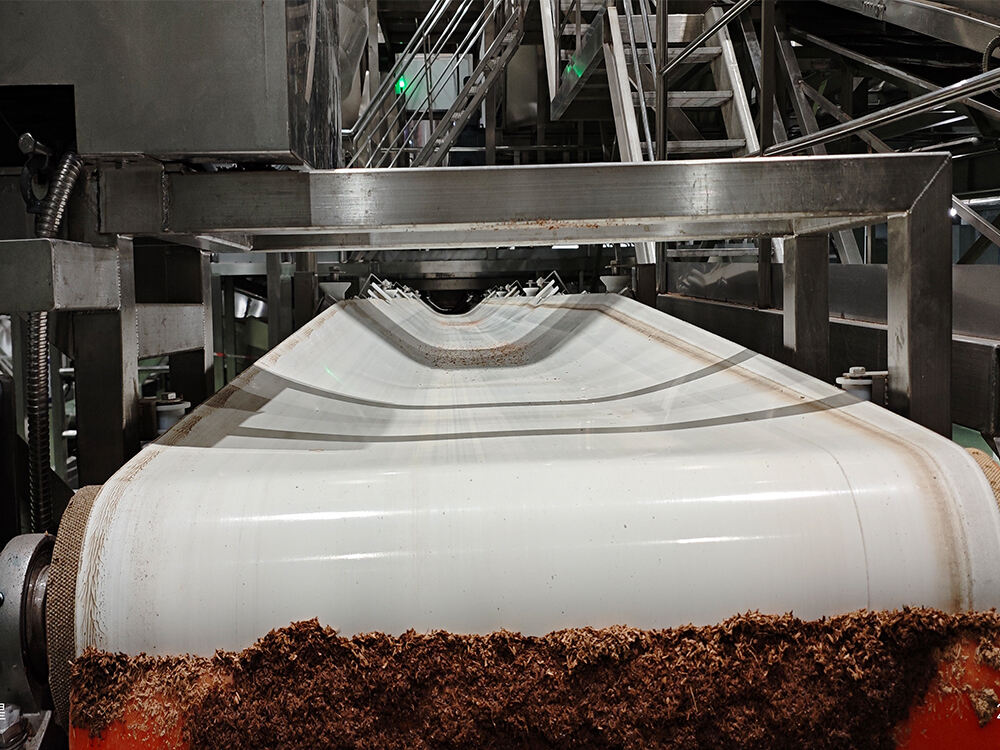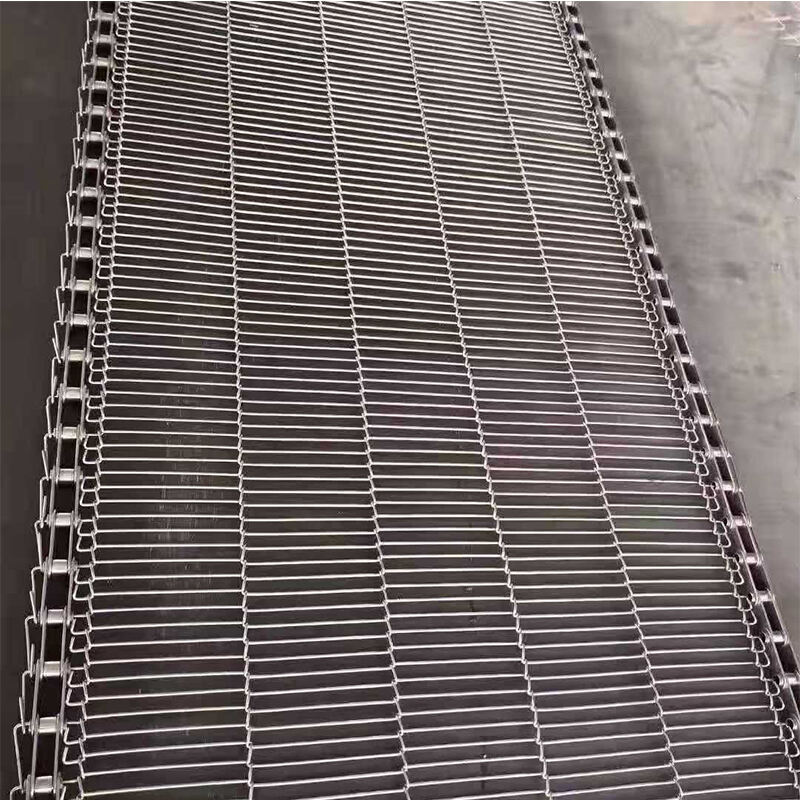
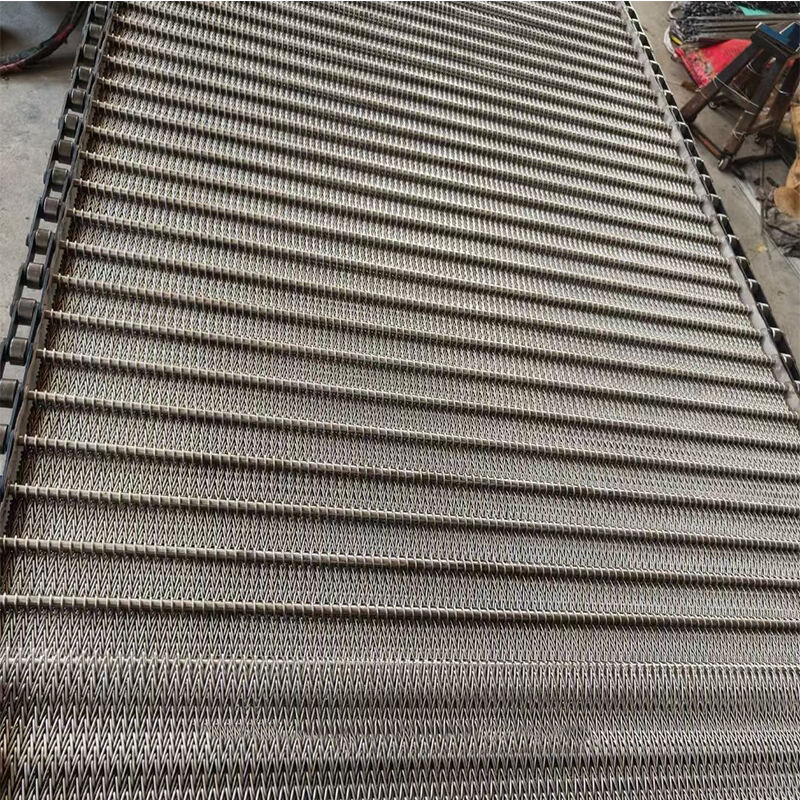
The medical and pharmaceutical industries impose the most stringent requirements for cleanliness, sterility, and material compatibility. A corrosion-resistant mesh belt used in these environments must withstand aggressive sterilization methods (such as autoclaving with steam, or chemical sterilants like hydrogen peroxide or peracetic acid) without corroding or introducing contaminants. The material of choice is almost always high-grade stainless steel, such as AISI 316L (with low carbon content to prevent sensitization during welding), or even more specialized alloys for extreme conditions. The belt's surface finish is critical; it must be electropolished to a very low micro-inch roughness to eliminate microscopic pits where bacteria could hide and to facilitate easy cleaning and sterilization. Applications include conveying surgical instruments through washer-disinfectors and sterilizers, moving pharmaceutical vials through lyophilization (freeze-drying) chambers, and transporting medical device components through cleaning and coating processes. In a sterile filling line for injectable drugs, a corrosion-resistant belt must transport rubber stoppers and vials through a depyrogenation tunnel with dry heat exceeding 250°C, all while maintaining a sterile surface. The belt must not shed particles or undergo corrosion that could compromise the sterile environment. We provide high-integrity, corrosion-resistant mesh belts designed to meet the exacting standards of the medical and pharmaceutical industries. For guidance on material selection and validation support, please contact our specialists.

Sunshine all products will make you absolutely satisfied, we always follow the customer first production concept, strive to open up domestic and foreign markets and are willing to establish long-term business cooperation with each customer. Welcome friends from all walks of life to come to guide, discuss cooperation!
 EN
EN