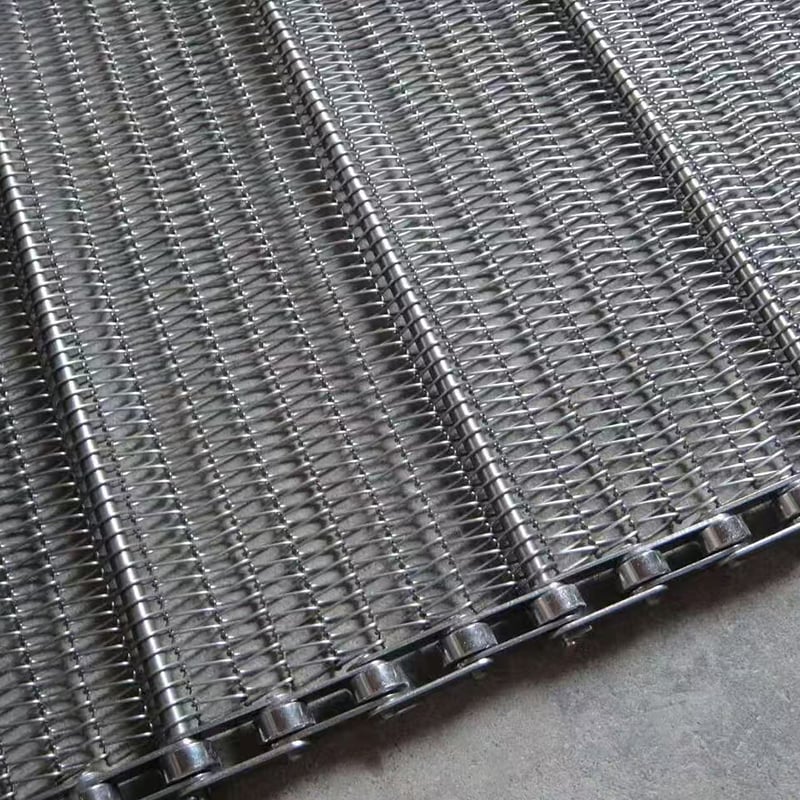
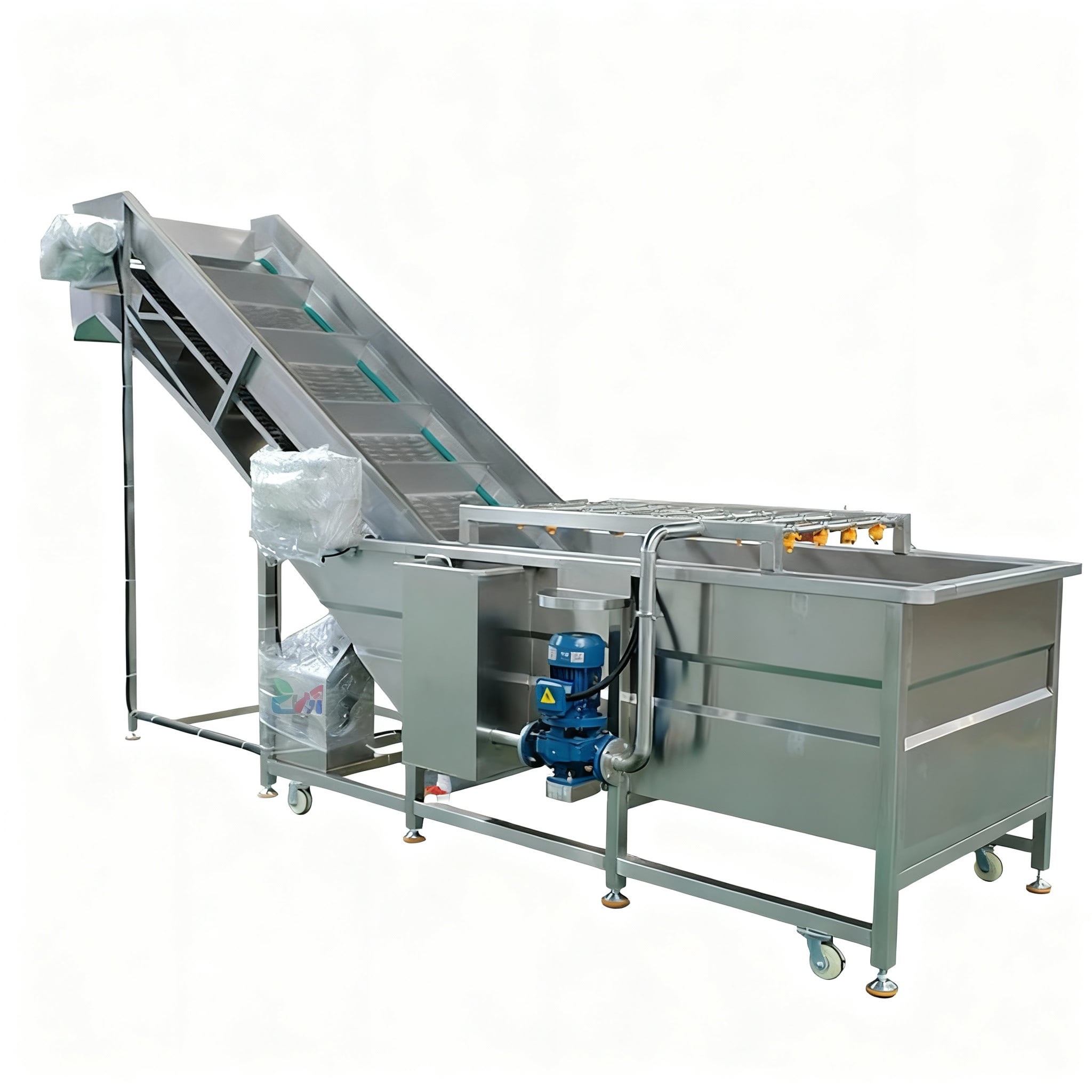
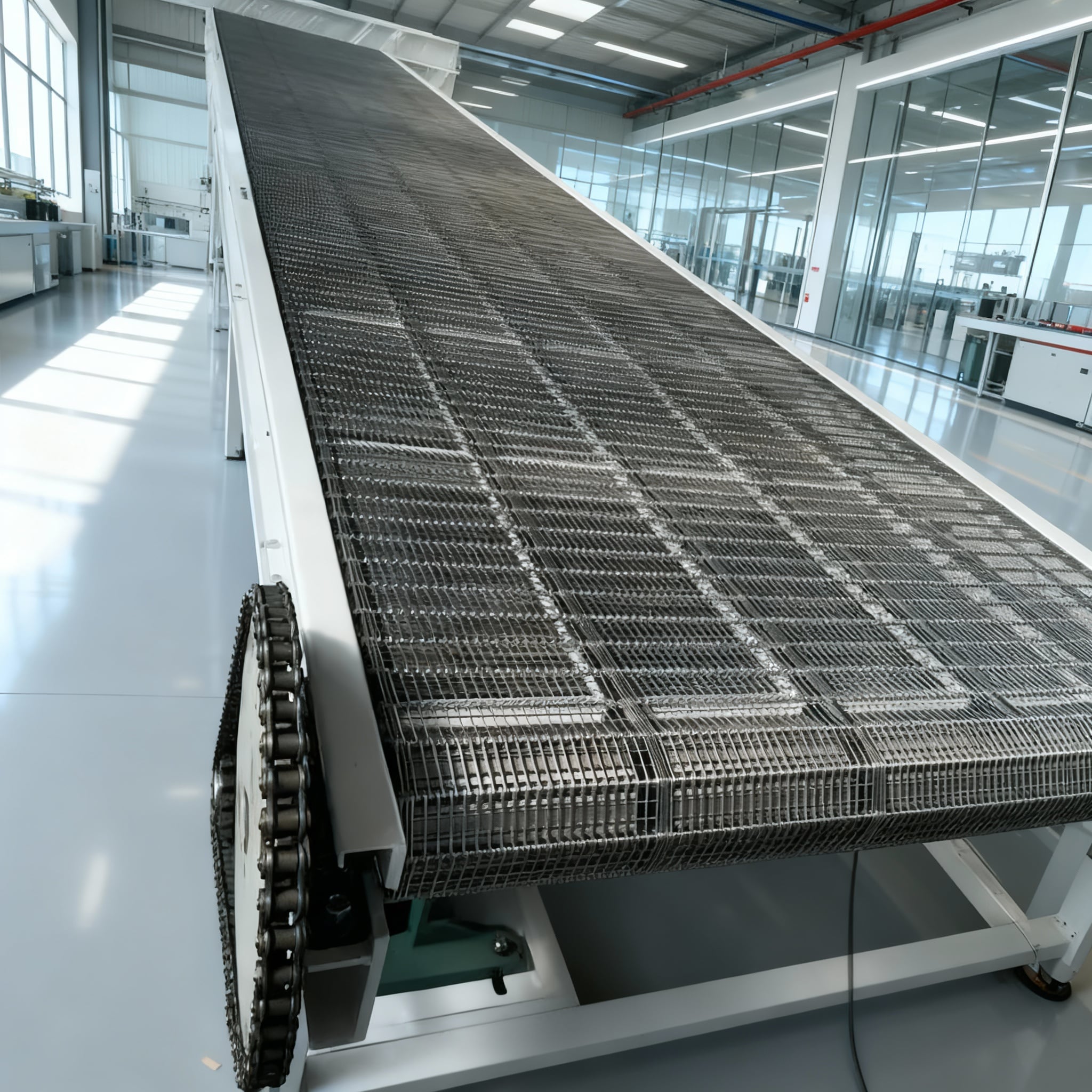
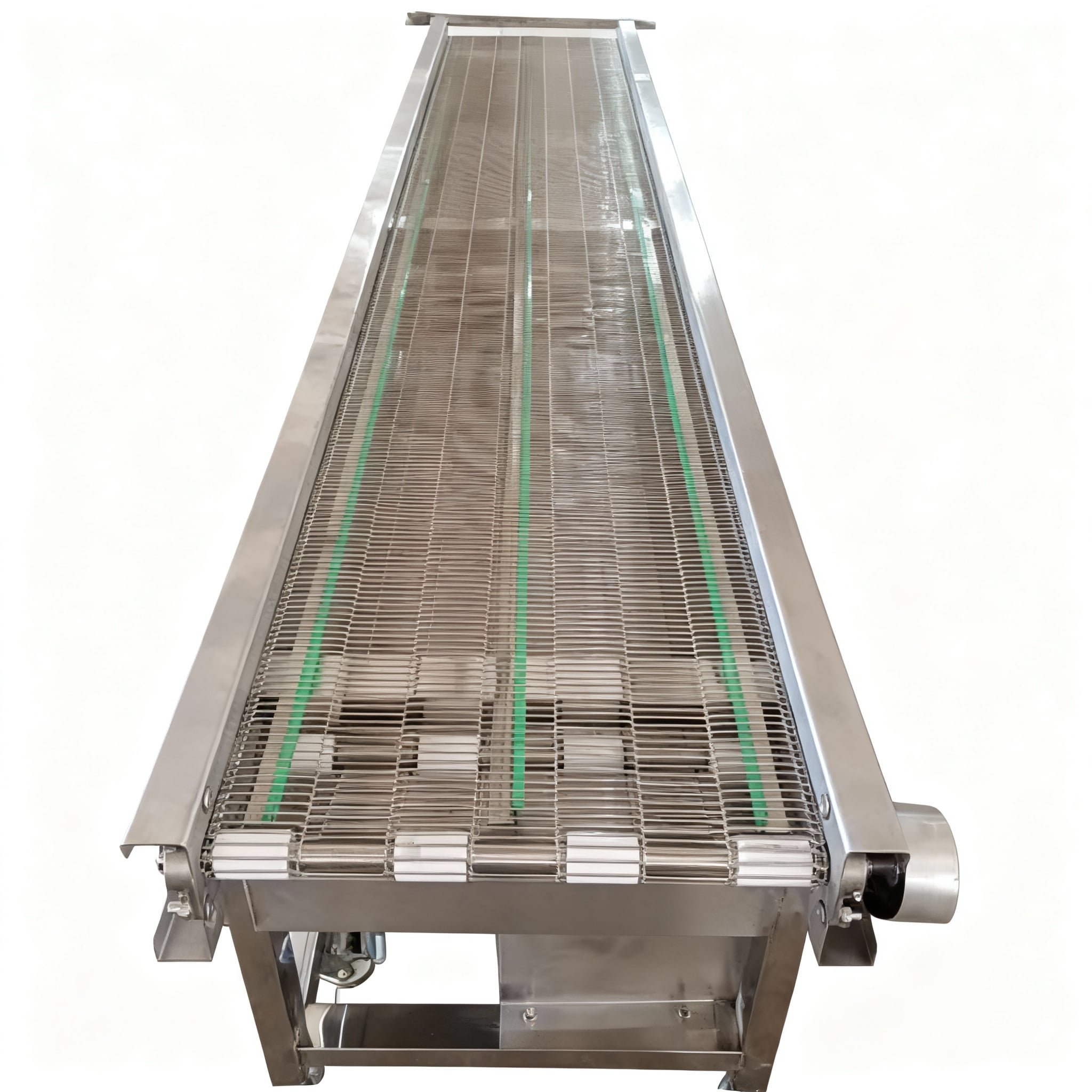
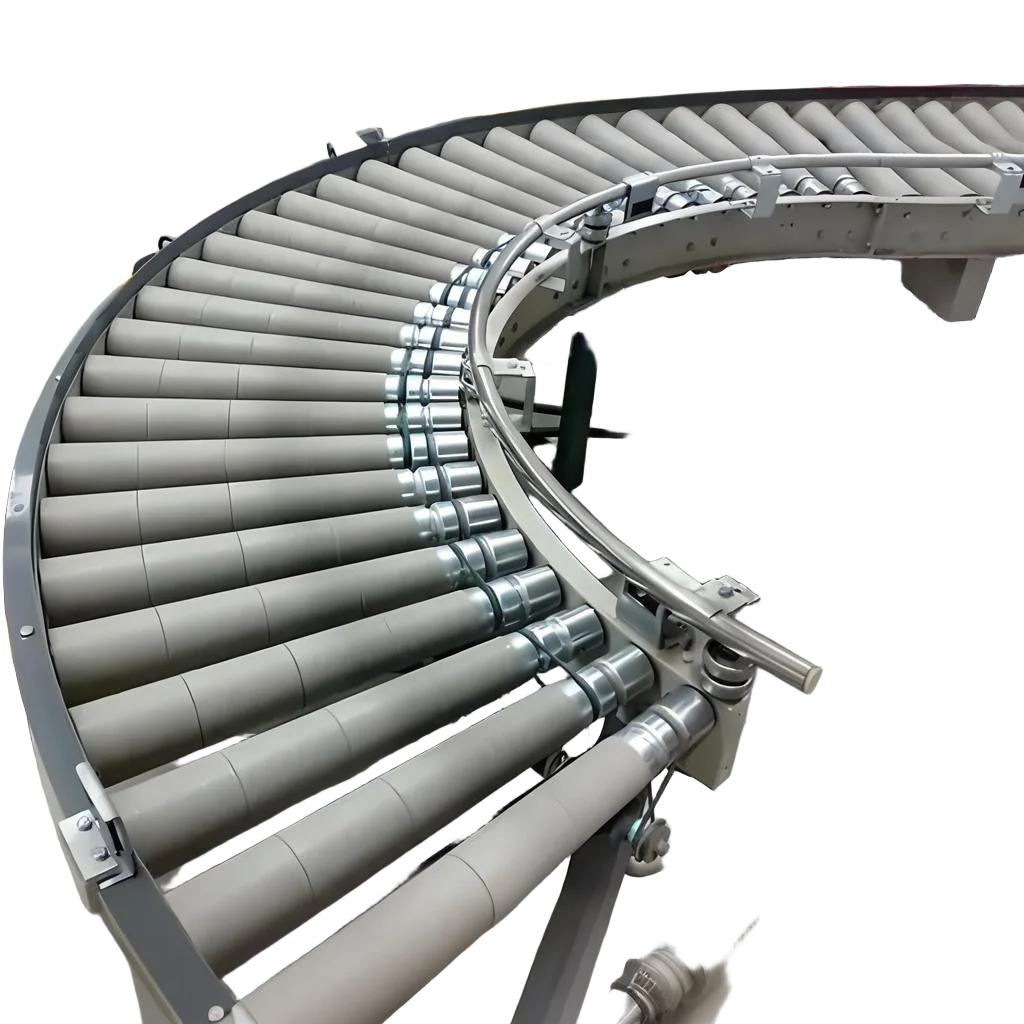
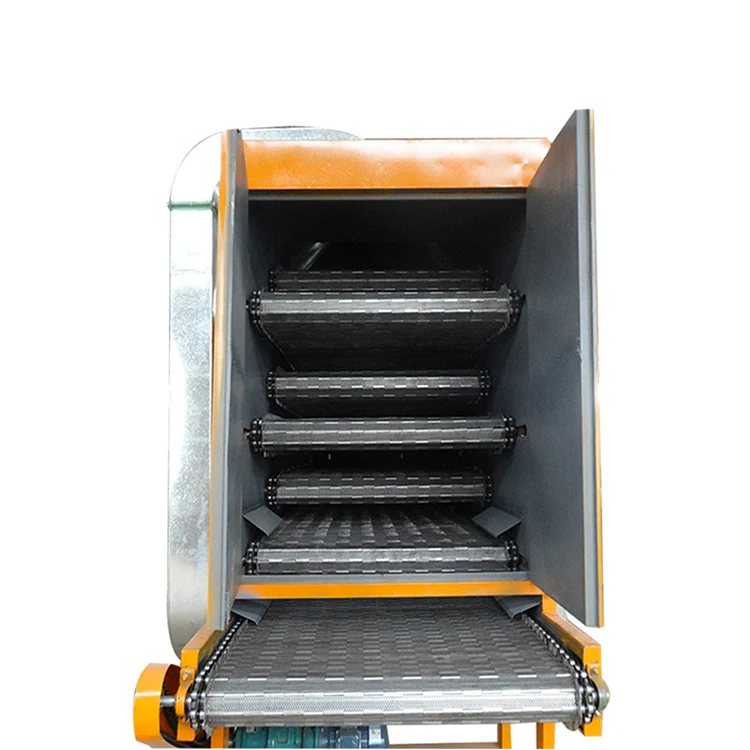
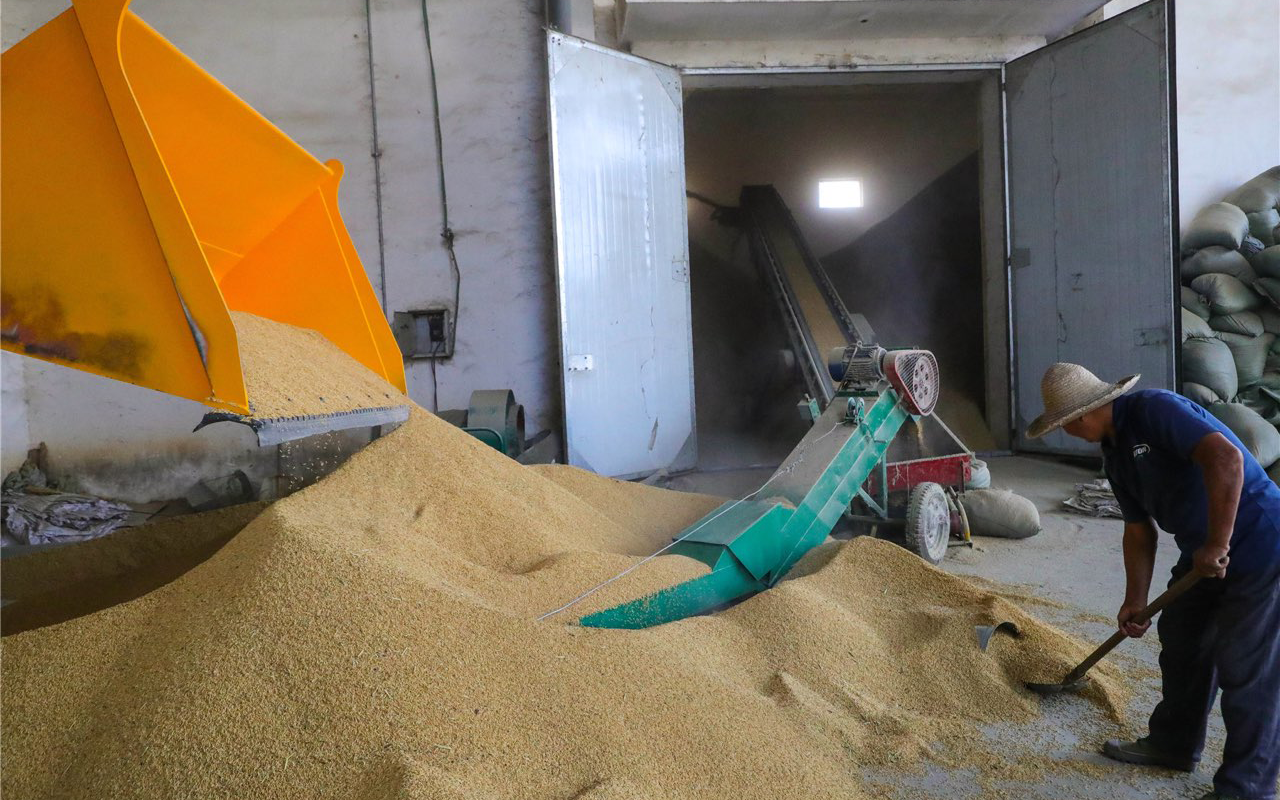
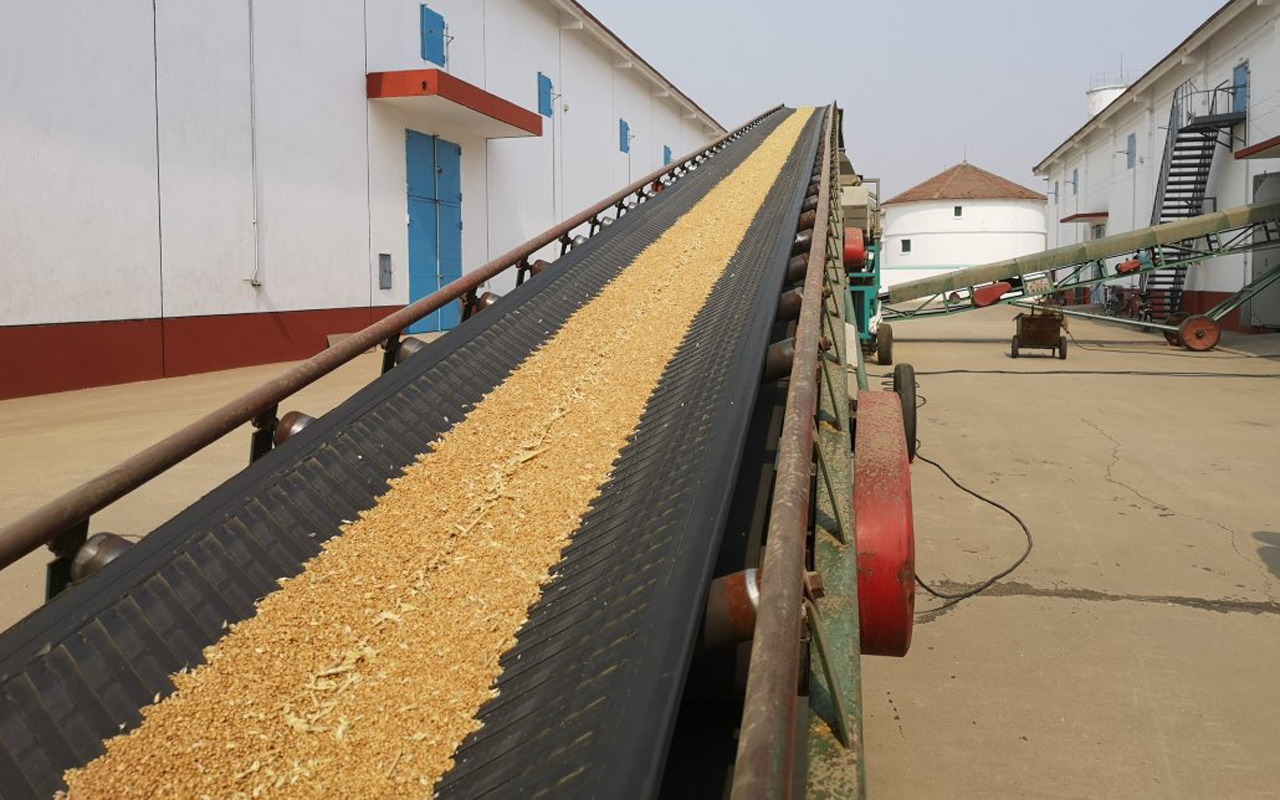
Sunshine Conveyor Equipment has completed delivery of a customized conveying system for an overseas agricultural project. The equipment is intended for grain collection, storage, handling, and transfer between field operations and storage facilities. The project responds to practical difficulties in post-harvest logistics, including grain loss during loading and unloading, inefficient transfer links, and a heavy reliance on manual work.
Grain does not move from harvest to storage in a single step. Collection, temporary handling, loading, transfer, unloading, and warehousing form one connected material route. Delays or repeated handling at one stage can affect the work that follows. Sunshine Conveyor Equipment therefore reviewed the links between these stages and developed the system as a coordinated solution rather than supplying separate equipment without reference to the wider workflow.
The project team studied the local climate, farmland layout, and existing grain-handling process before completing the design. These conditions influence equipment selection, structural arrangement, operating continuity, and everyday use. Based on the findings, the team matched the conveying layout to the actual route from the field to storage and kept the arrangement practical for the local operating environment.
The technical team also optimized the equipment structure for field and grain-storage work. Wear resistance, dust resistance, and operating stability were key design considerations. Grain particles, airborne dust, and repeated material movement are common conditions in agricultural handling. Addressing these conditions in the structure helps the equipment remain suitable for routine use in the field and at storage facilities.
Wear-resistant design is important where grain repeatedly contacts conveying surfaces and creates friction over time. Dust-resistant design is equally relevant because grain handling naturally produces fine particles that can affect exposed mechanical parts and the working environment. Sunshine Conveyor Equipment considered both factors during engineering and manufacturing. The purpose was straightforward: to provide equipment that can support stable conveying under the field and storage conditions identified for the project.
After implementation, the system is expected to improve the flow of grain from farmland to storage. A coordinated route can reduce unnecessary transfer links and repeated handling during loading, unloading, and movement. Better control of these stages can also help limit breakage and spillage. This matters because grain lost after harvest reduces the usable crop and adds waste to work already completed in the field.
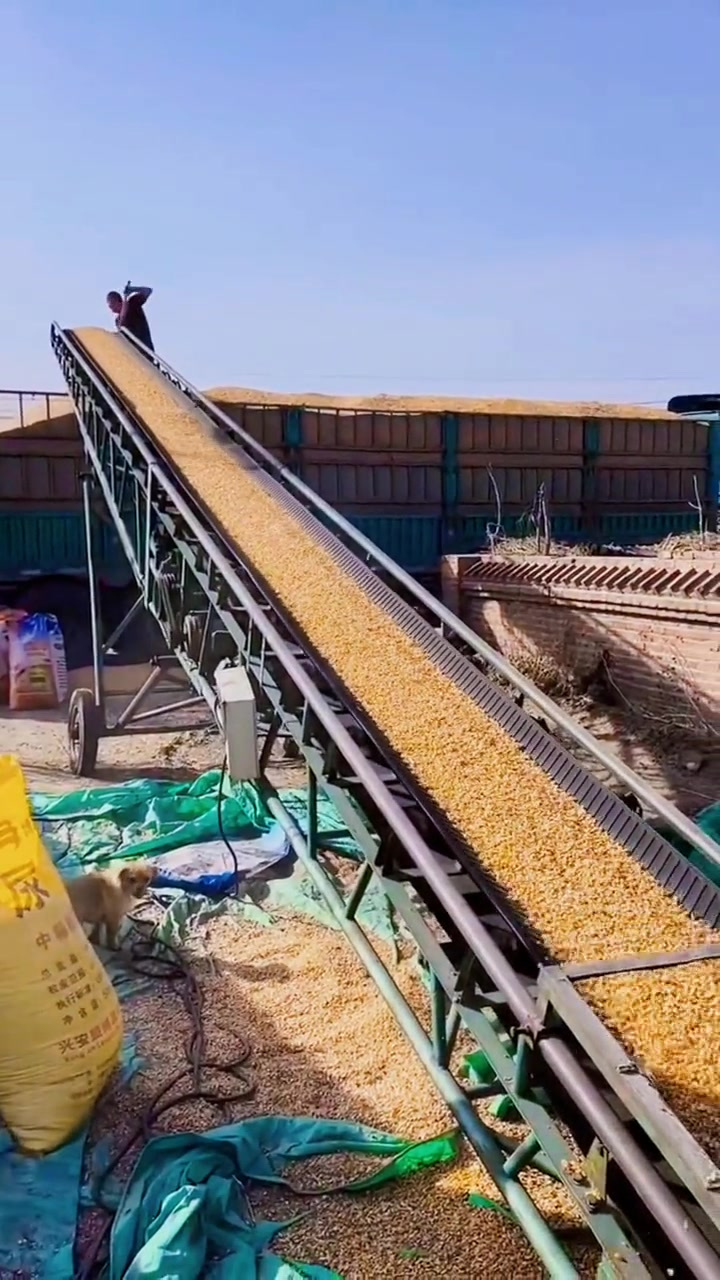
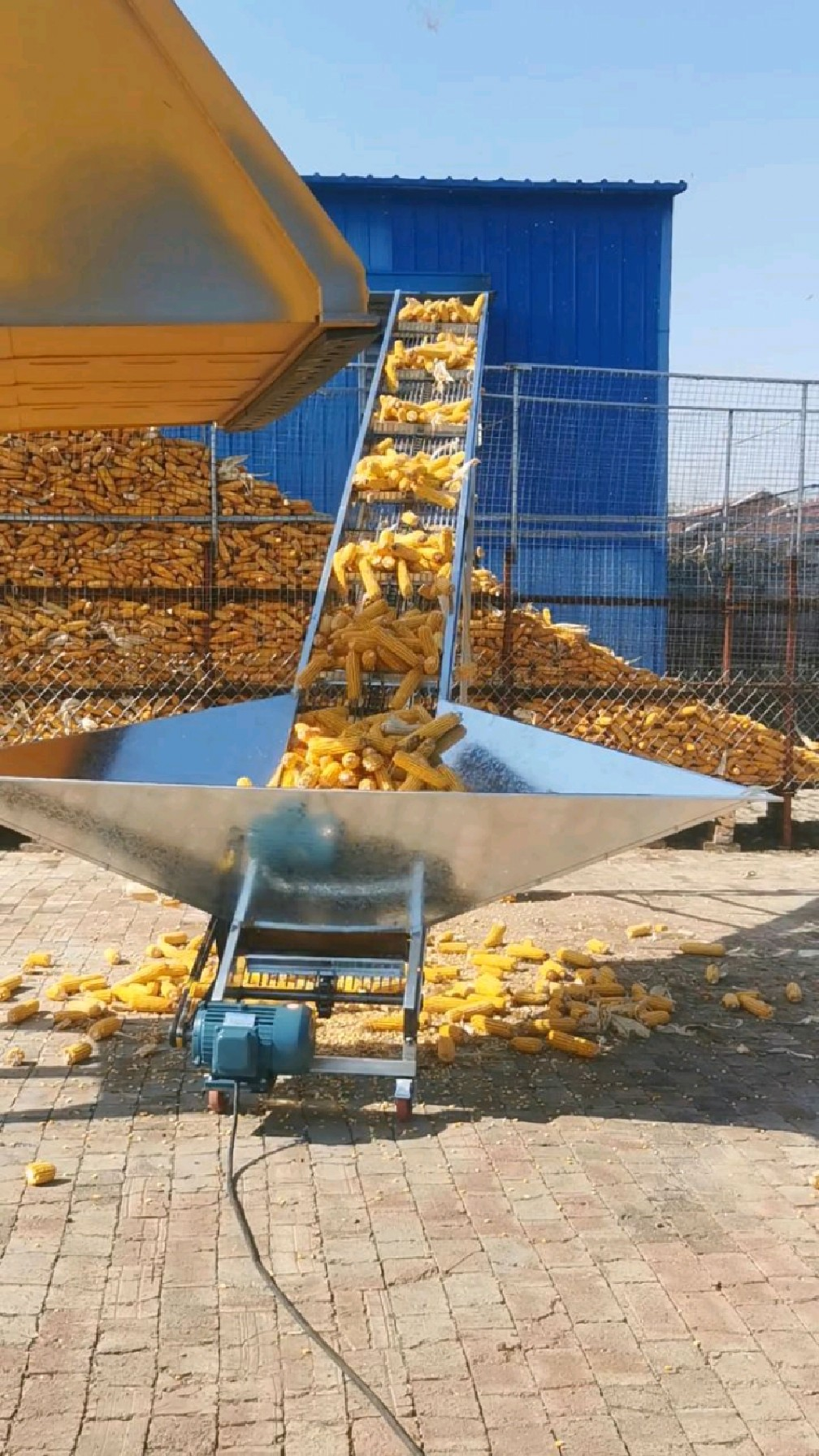
Reducing loss is part of improving the value of the harvest. Grain spilled or damaged between collection and warehousing cannot contribute fully to later use. Smoother movement through connected stages helps preserve more of the material already produced and supports better use of the labor and resources invested before storage.
The conveying system is also intended to reduce the amount of manual lifting, carrying, and repeated loading required during grain transfer. This can ease the physical burden on farmers and other agricultural workers while helping operations use labor more effectively. During busy collection and storage periods, a clearer and more orderly material route can support efficient handling without adding unnecessary steps.
Customization was necessary because agricultural operations differ in climate, site layout, material route, and established working methods. A standard arrangement may not fit the way grain already moves through a particular site. For this project, Sunshine Conveyor Equipment based the configuration on the surveyed conditions and the existing workflow. The engineering work focused on durability, practical operation, and coordination between field collection and storage.
Sunshine Conveyor Equipment supported the project through solution design, manufacturing, cross-border delivery, and technical guidance. Its international business and technical teams coordinated operating requirements, engineering details, production progress, delivery preparation, and implementation needs. This work kept the commercial, production, and logistics stages aligned as the project moved from design to handover.
Quality control continued throughout design, manufacturing, and delivery preparation. The company checked that each stage remained consistent with the project plan and the agreed application requirements. This full-process control was especially important for cross-border delivery, where technical communication and logistics preparation need close coordination. It also supported an orderly handover of the completed conveying equipment.
Technical guidance was included in the project scope. A customized system needs to fit the customer’s existing grain-handling process. Clear guidance can help local personnel understand the intended workflow, coordinate equipment use with current tasks, and establish appropriate operating practices. It also helps connect the delivered equipment with the work for which it was designed.
The delivery marks further progress in Sunshine Conveyor Equipment’s work for overseas agricultural applications. By improving the connection between field production and grain storage, the project is intended to reduce avoidable loss and waste, ease labor demands, and support more efficient post-harvest operations. It also reflects the role of fit-for-purpose conveying equipment in the continued modernization of agricultural infrastructure. Sunshine Conveyor Equipment will continue to deepen its work in the overseas agricultural equipment market, using reliable conveying solutions to improve agricultural productivity, operating efficiency, and the practical connection between production and storage.
 Hot News
2025-01-20
2025-01-20
2025-01-20
2025-01-20
2025-01-20
Sunshine all products will make you absolutely satisfied, we always follow the customer first production concept, strive to open up domestic and foreign markets and are willing to establish long-term business cooperation with each customer. Welcome friends from all walks of life to come to guide, discuss cooperation!
 EN
EN